Case Study 01Cannabis Brand & DistributionFounder · Naming · Identity · Packaging · Events
the brand that <filtered> the room.
454 was a boutique California cannabis distributor — and an in-house brand. PLANT's
founder co-founded it, named it, and designed it. Then used its pull to do something
most brands never get to: build other brands.
From a 200+ retailer network, 454 became a brand engine — its own notoriety the launch
pad for the brands built around it. This is the proof: not designing a brand, but
building brand power and putting it to work.
01 / <The Name>
A Name That <Filters the Room>.
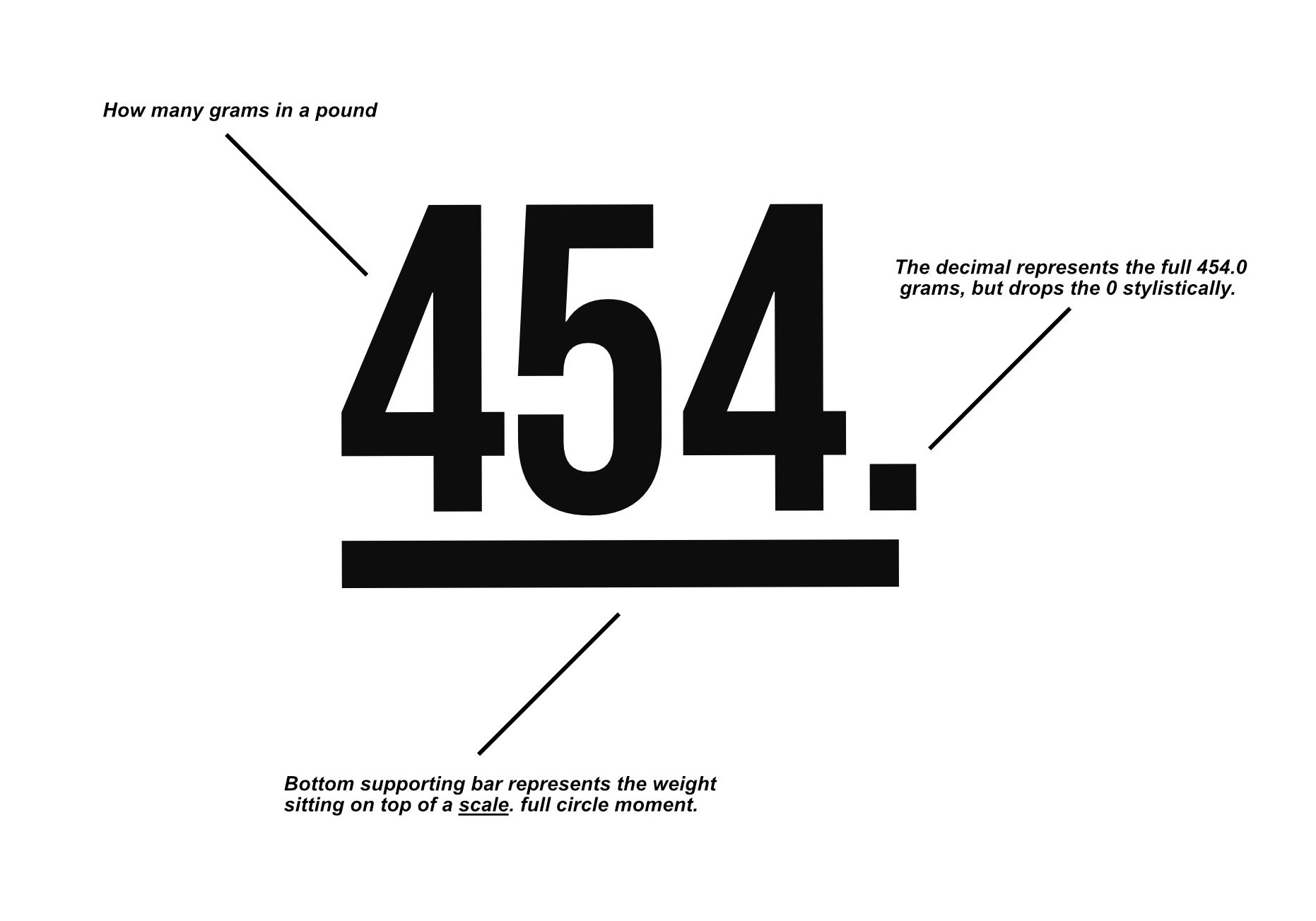
454 is how many grams are in a pound. An industry term — the kind of thing
you only know if you're in it. That was the entire idea: a name that the right people
decode instantly, and everyone else just walks past.
Most cannabis brands shout to be understood by everyone. 454 did the
opposite — it whispered, and the whisper traveled further. The people who got it felt like
insiders. A name that filters is stronger than a name that shouts: it builds a room
before it builds a customer.
The idea, printed on the bag
The back panel asks it out loud — "how many grams in a pound?" The brand
explaining its own name to anyone curious enough to turn the bag over. The name was the
hook, and the packaging closed the loop.
02 / <The Mark>
No Leaf. <On Purpose>.
The identity is one number, set heavy and stark — black on white, white on
black. No cannabis leaf. No smoke. No clichés. A mark that looks like a streetwear brand,
not a dispensary.
That was deliberate, and it's the sharpest call in the whole brand.
Customers wore 454 merch in public — because it didn't out them. It read as a
confident graphic to outsiders, and as a flag to anyone in the business. A logo that
travels because it doesn't look like weed — that's strategy disguised as minimalism.
Fig. 01 — The mark, decoded · every element earns its place
03 / <The Culture>
A Brand People <Wore>.
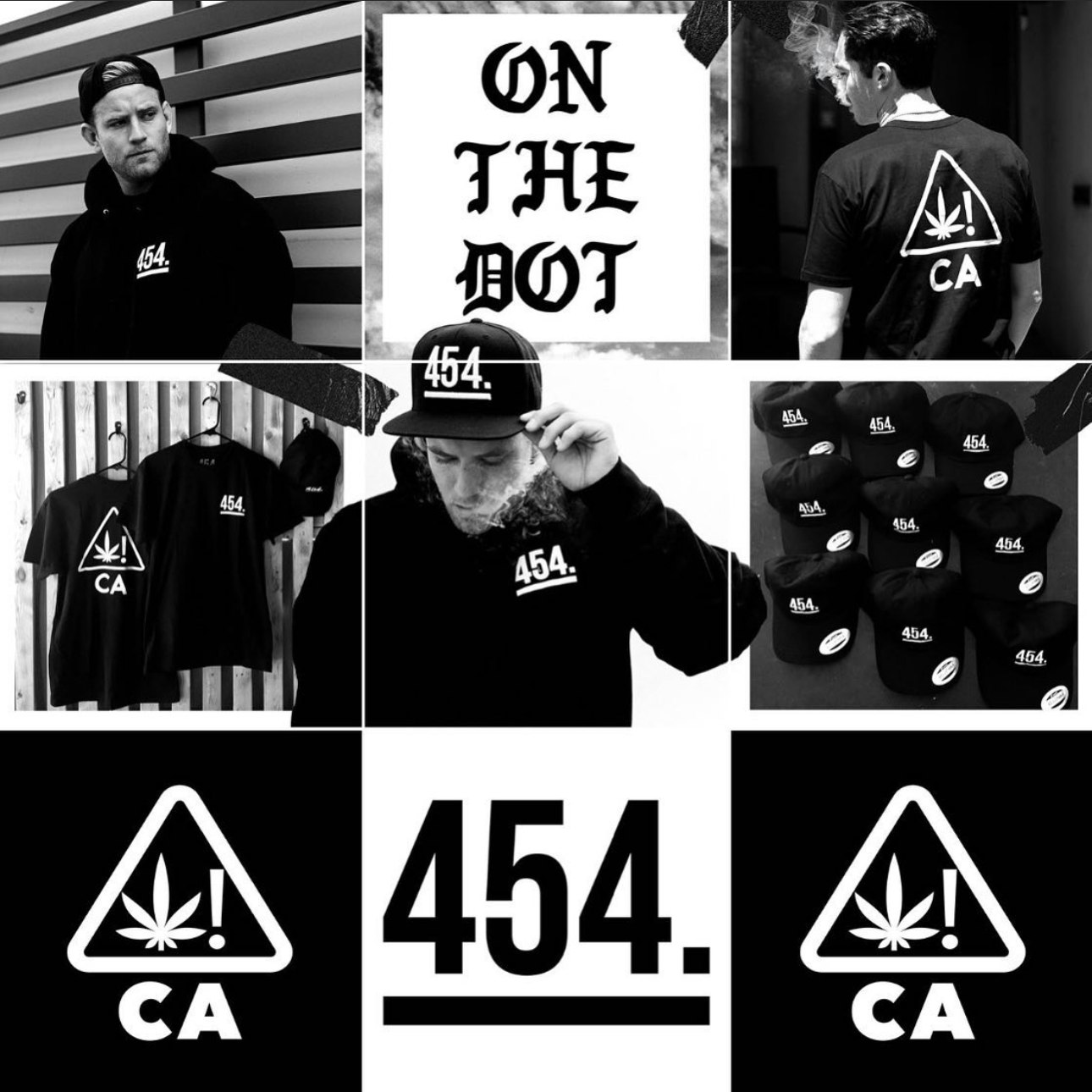
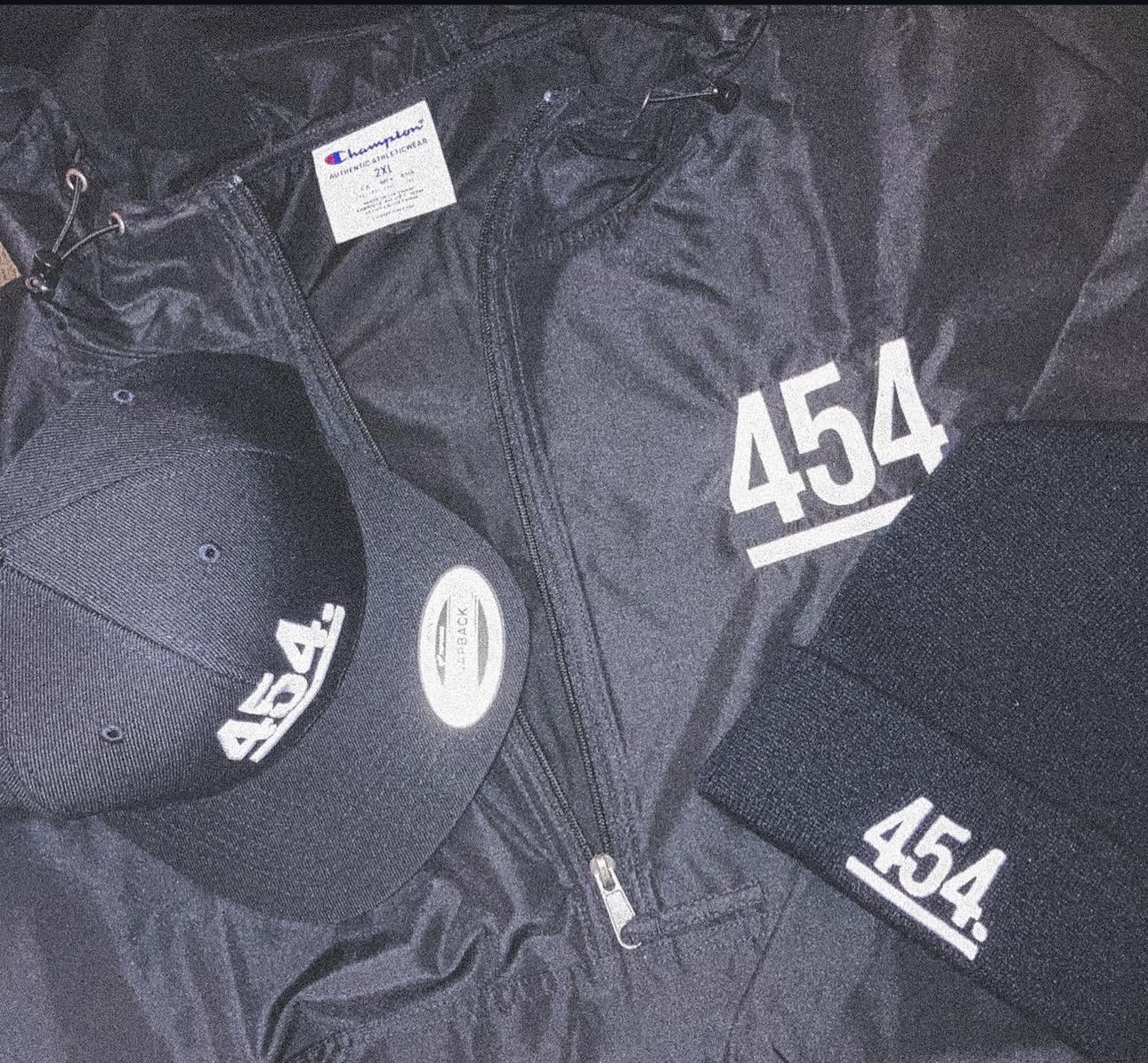
Here's the proof the strategy worked: 454 didn't stay on the shelf — it went
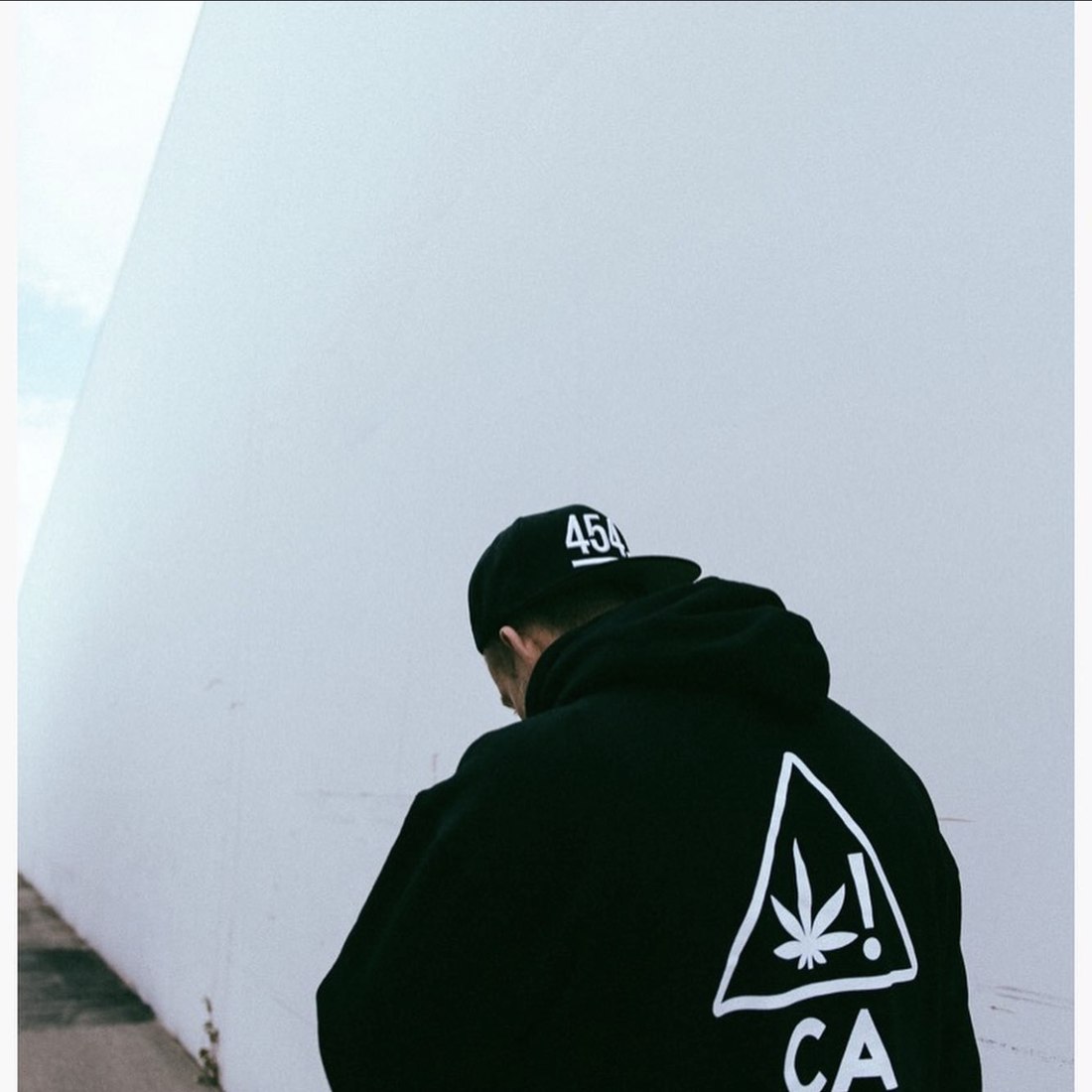
on people's backs. Tees, hoodies, snapbacks — a full merch line that read as streetwear
first and cannabis second.
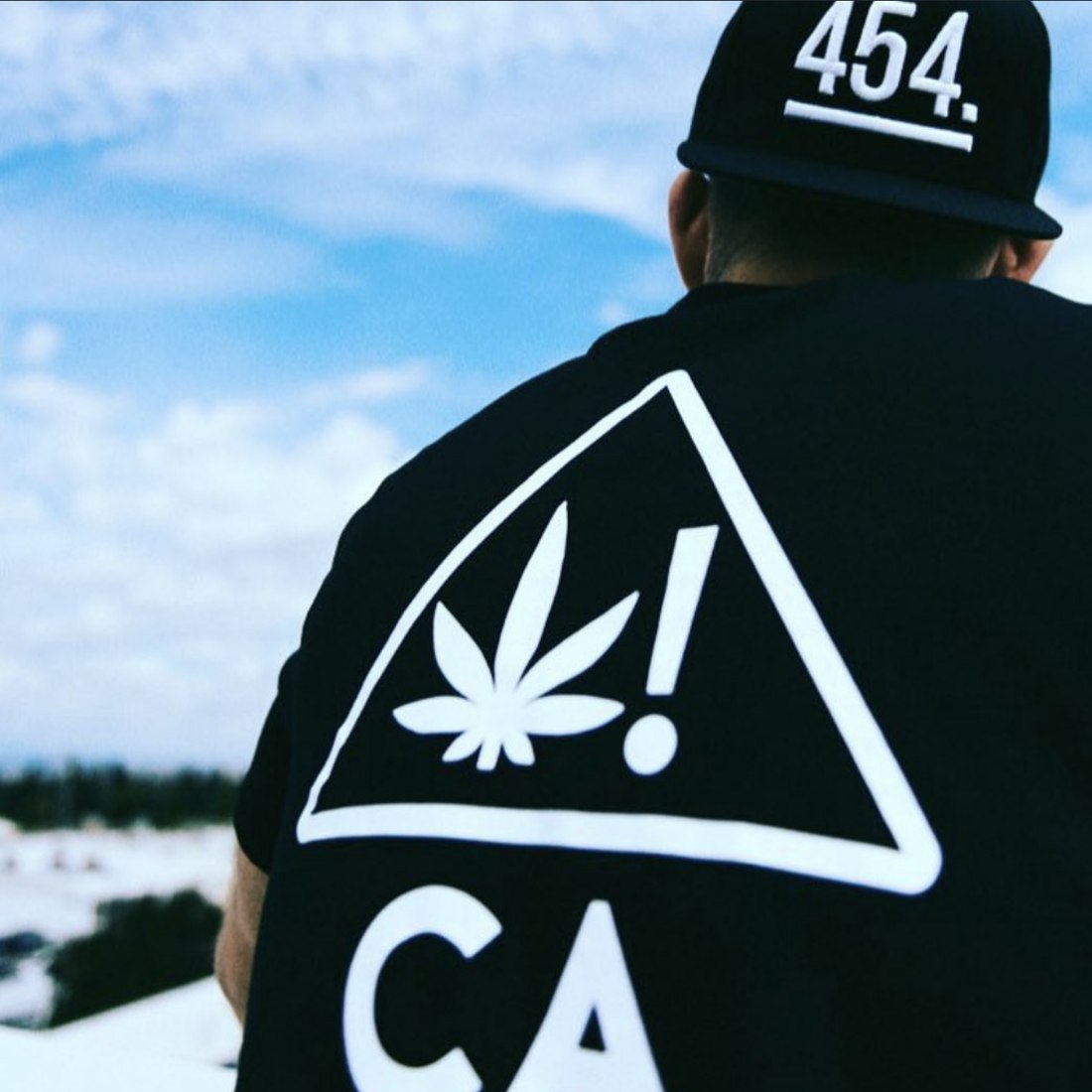
Because the mark didn't look like weed, people repped it in public —
on rooftops, in the street, anywhere. To outsiders it was a clean graphic. To anyone in the
business it was a flag. That's the whole idea: a brand worn with pride because it let
people say something without saying it.
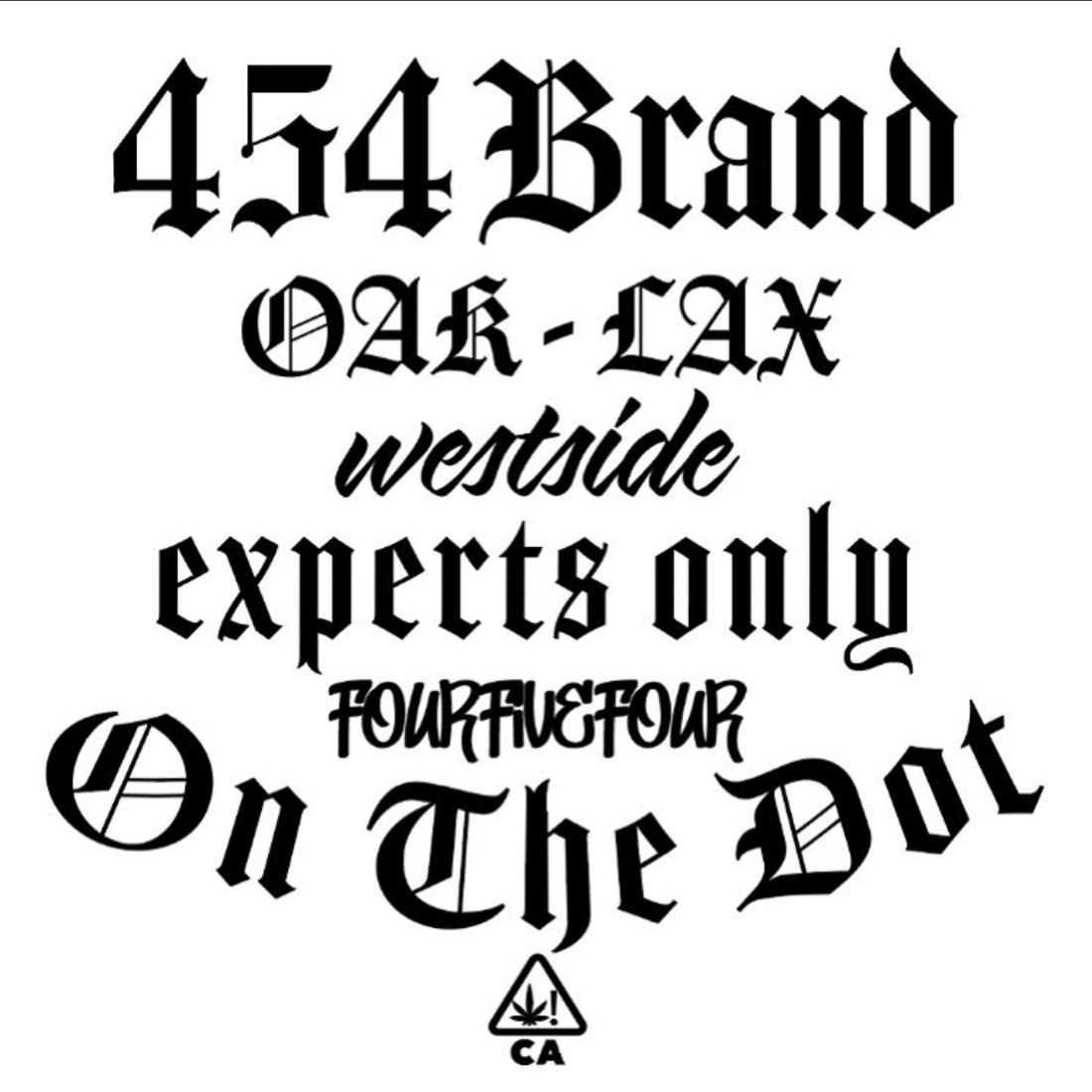
The 454 lookbook · merch, models & the mark in the wildCA-made tee · worn in public, on purpose454 hoodie · the mark as streetwearThe drop · jacket, snapback & beanie, all carrying the markBrand voice · "OAK-LAX · westside · experts only · On The Dot"
The Collab — Hash & Flowers.
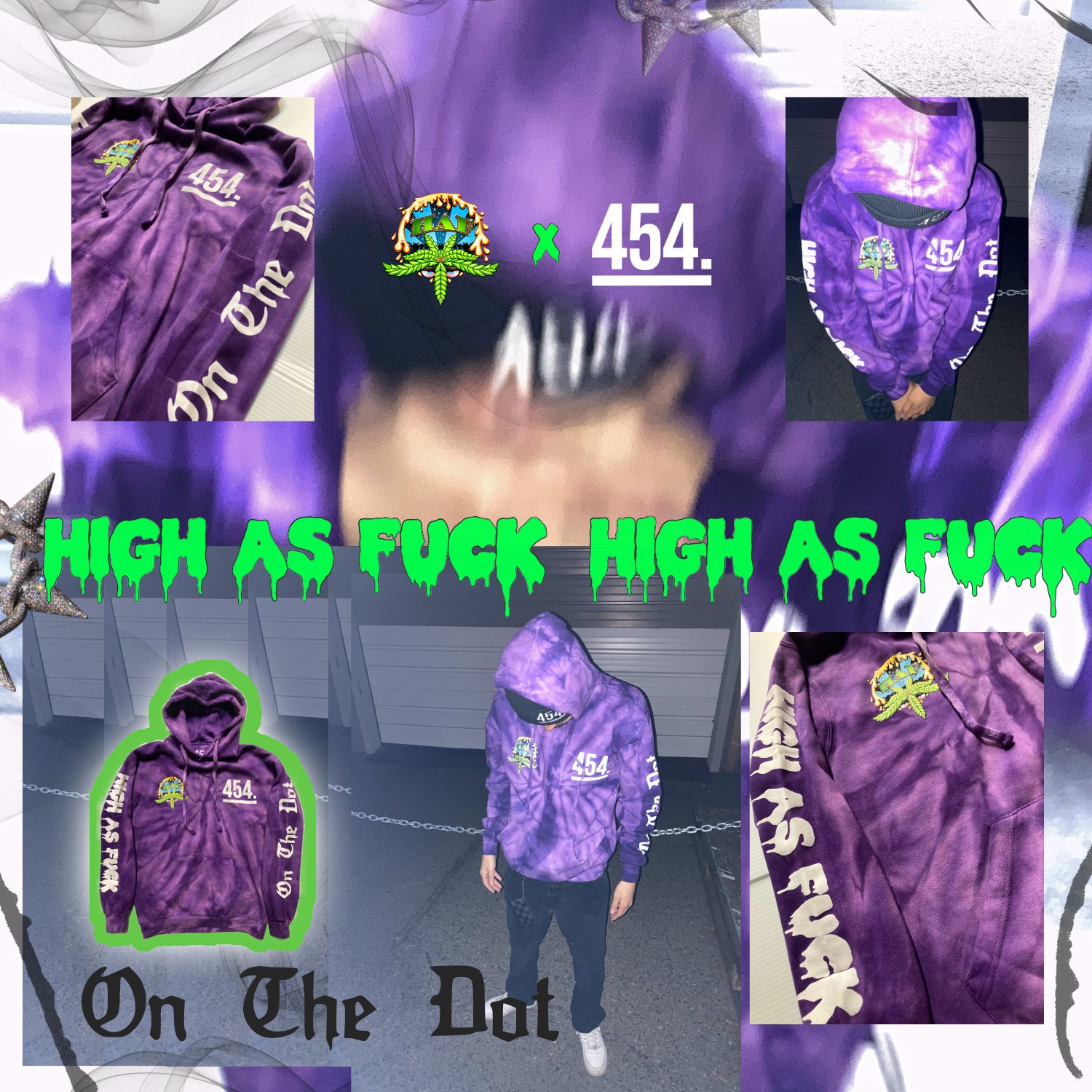
The same engine, pointed at a partner brand. 454 teamed with Hash & Flowers,
a new extract brand entering California's recreational market, and ran the launch like a
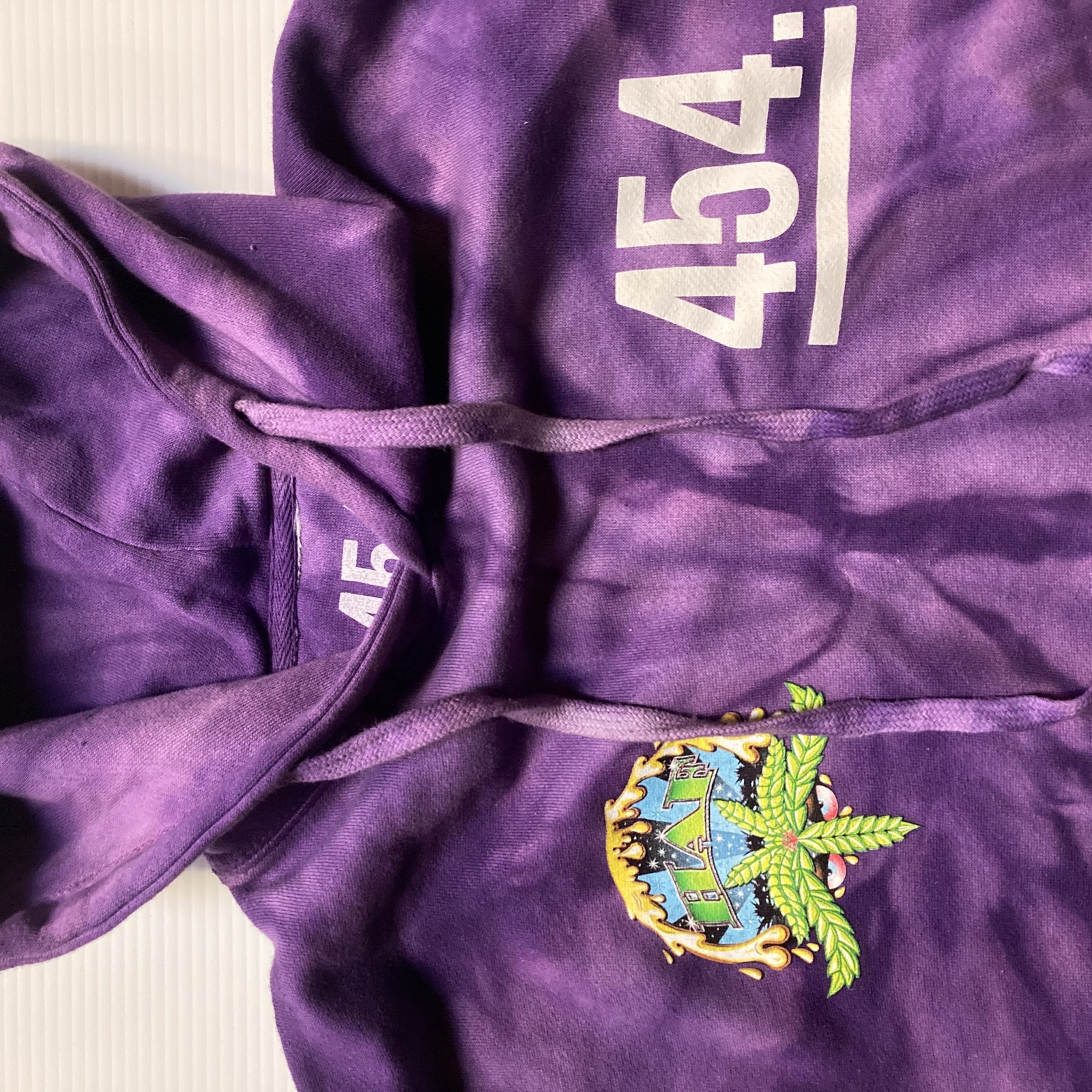
hype drop — including a limited run of 100 tie-dye collab hoodies that sold for $100+
each. The brand caught fire fast: in under six months Hash & Flowers climbed to
among the best-selling extracts in the state — for a stretch, the top seller — beating
mass-producers not on price but on quality and precision-timed hype.
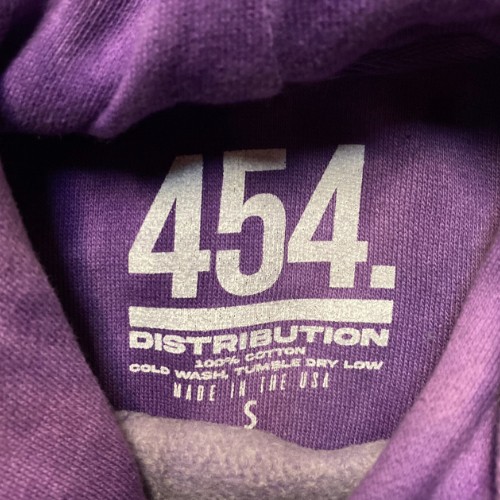
HAF × 454 · the tie-dye collab hoodie — limited run of 100, $100+ eachThe drop graphic · hyped like the brand itselfInner neck tag · 454 Distribution · 100% cotton, made in the USA
"Built in California by California. Experts only. On the dot."
— 454 brand voice · #OnTheDot · #day1s
04 / <The Capsule>
The Drop That Reset <the Room>.
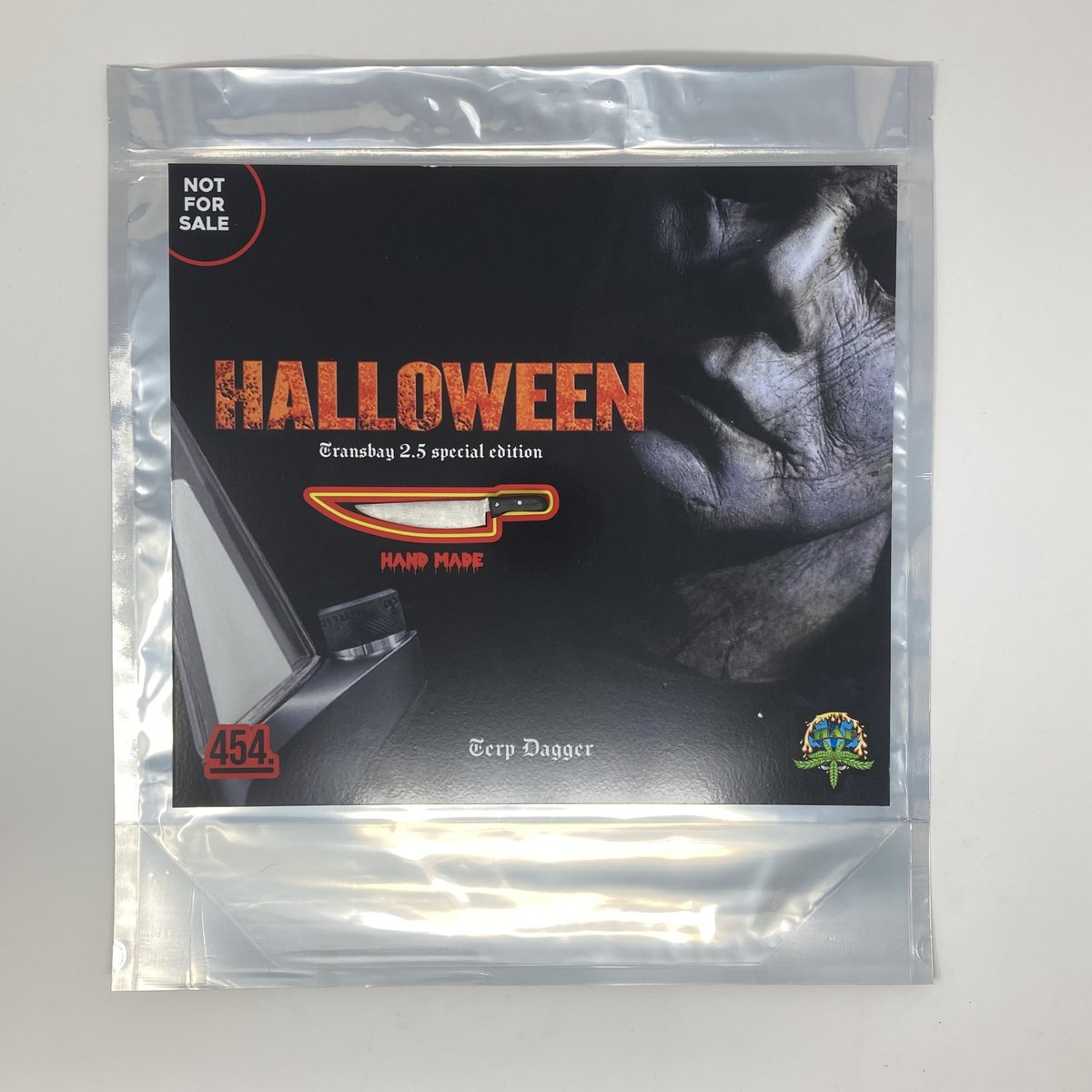
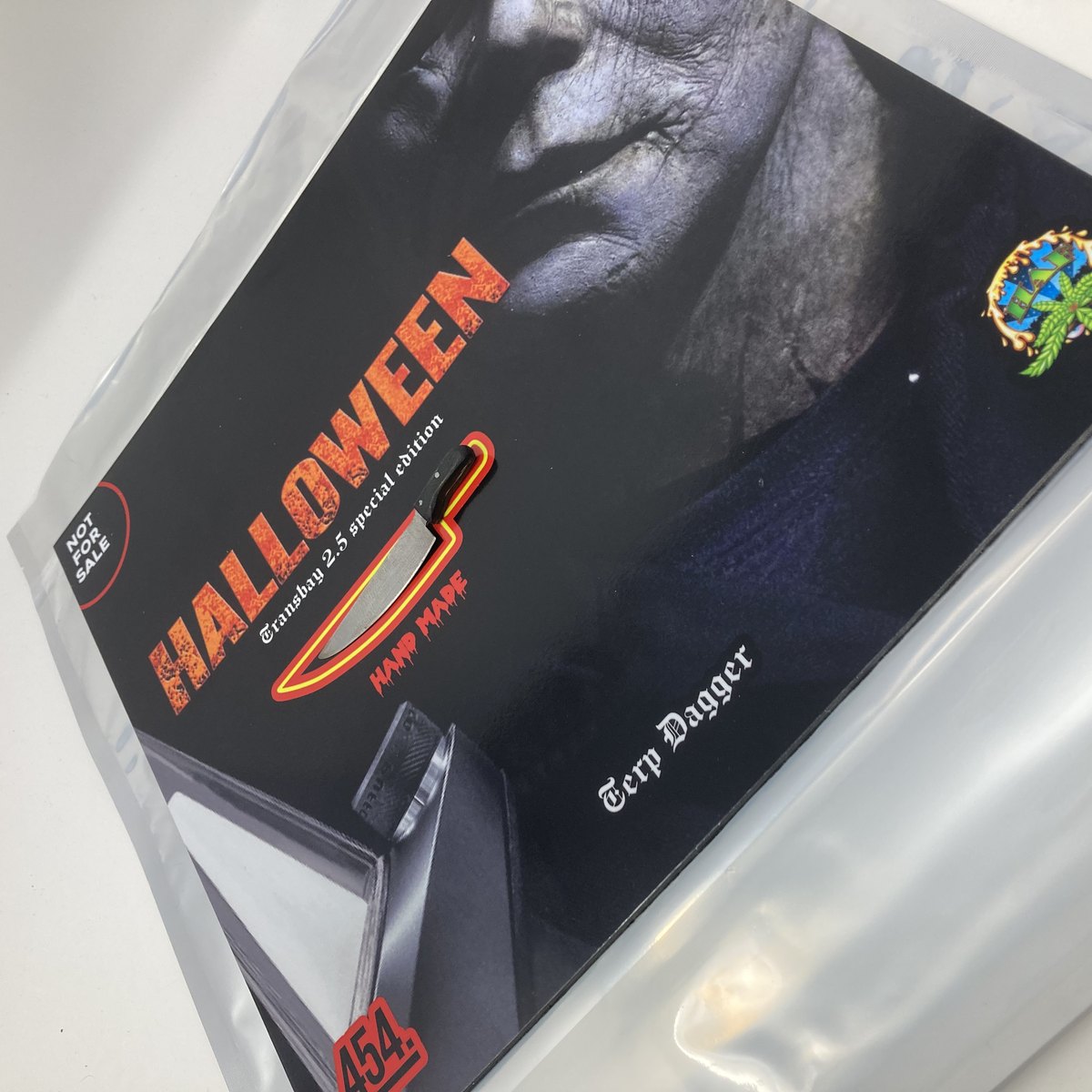
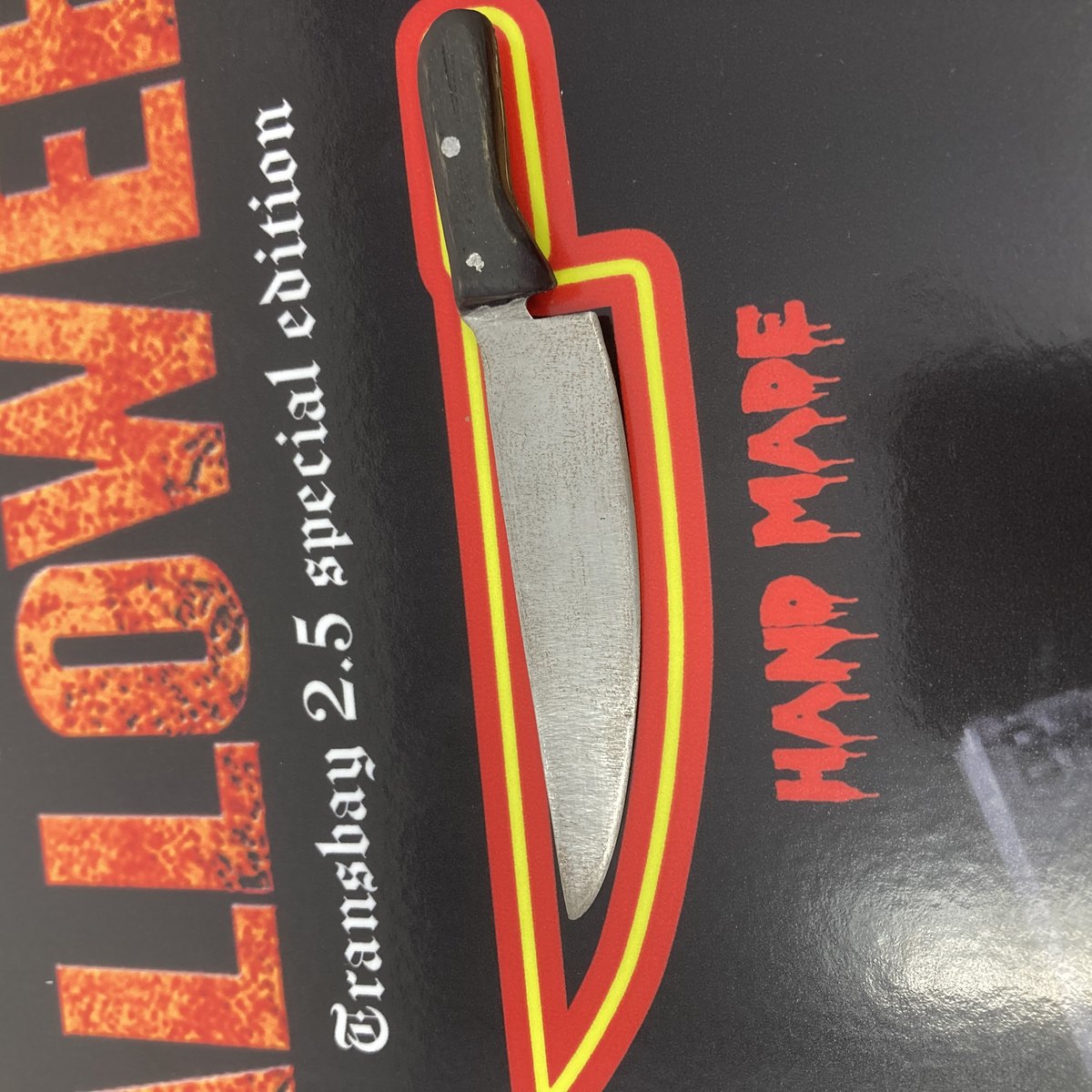
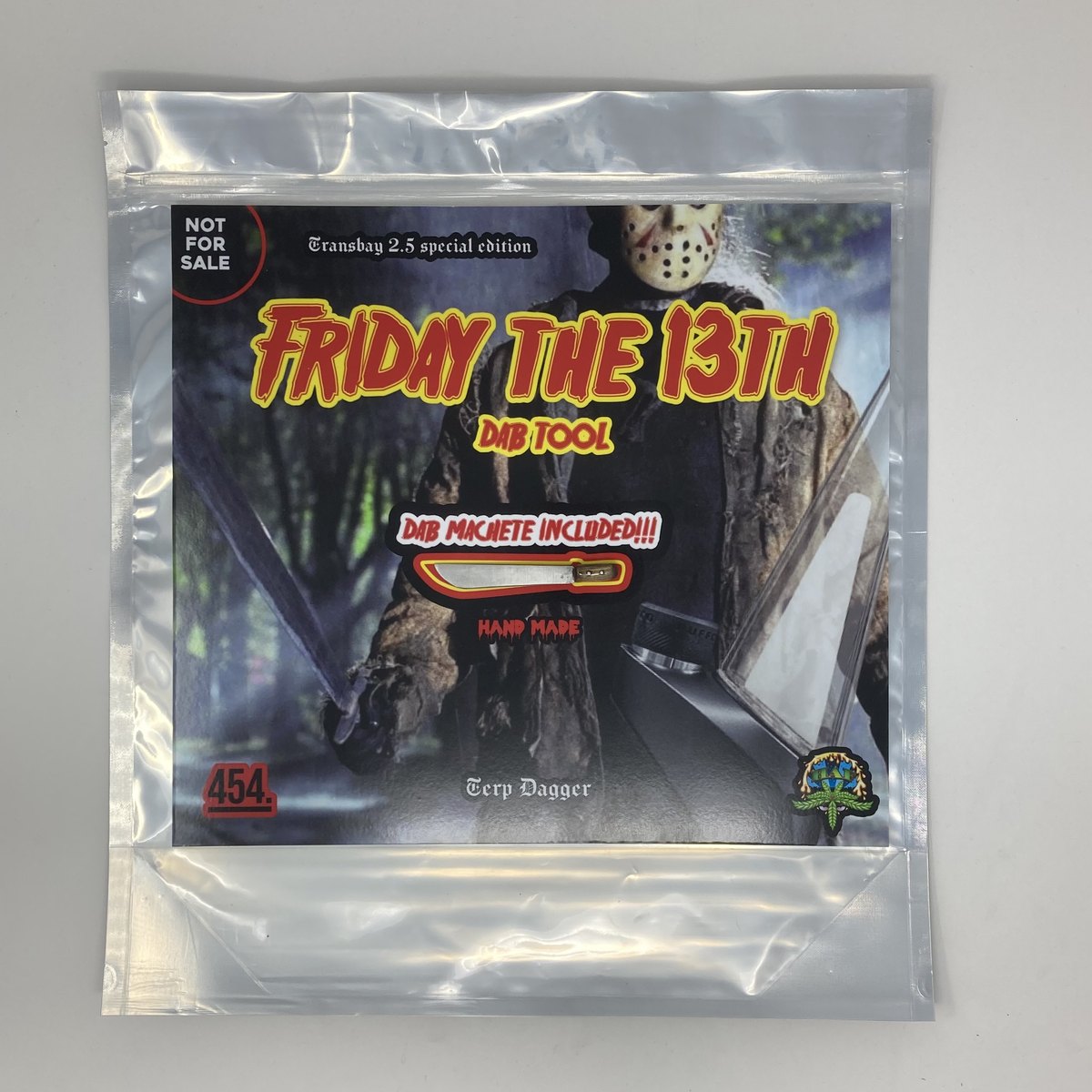
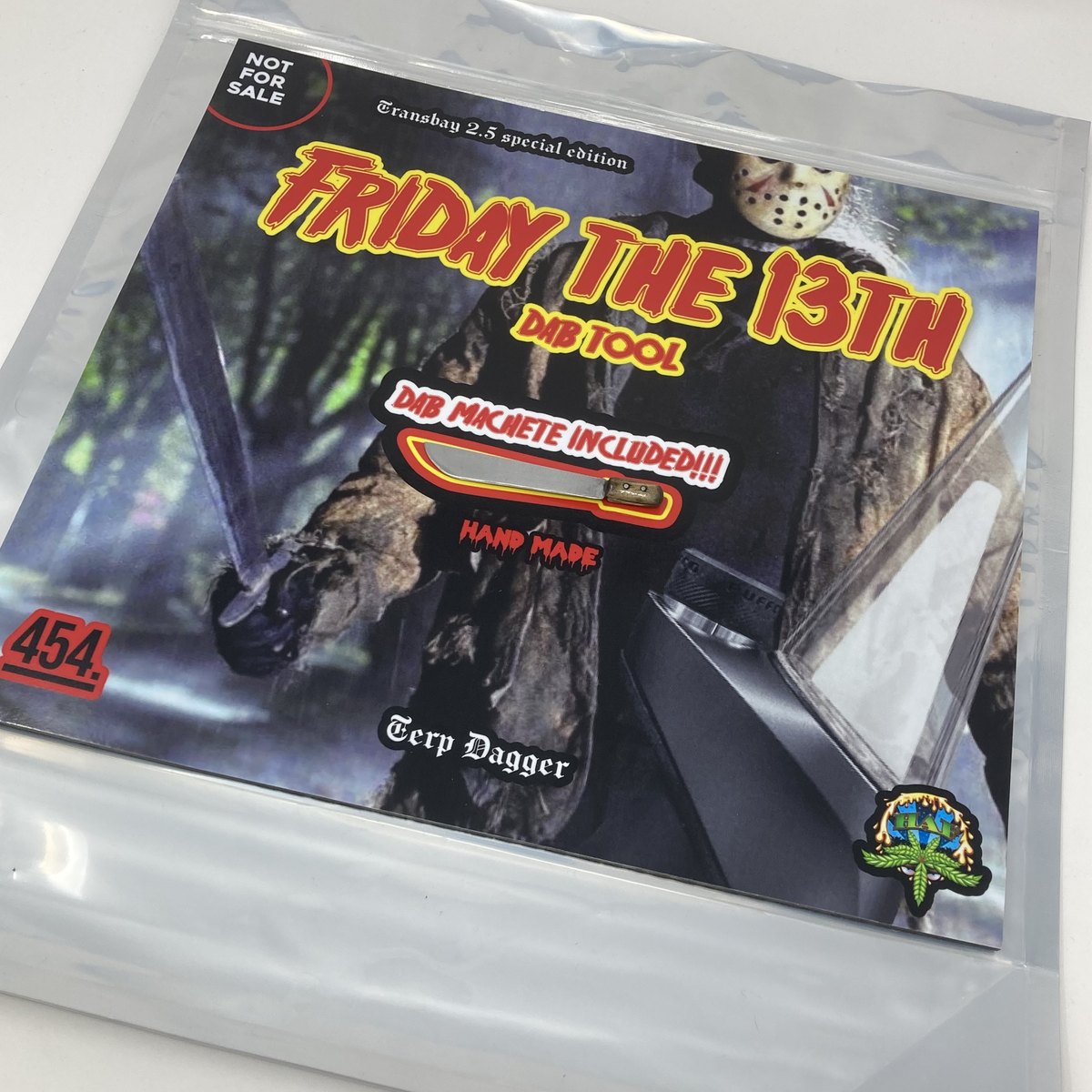
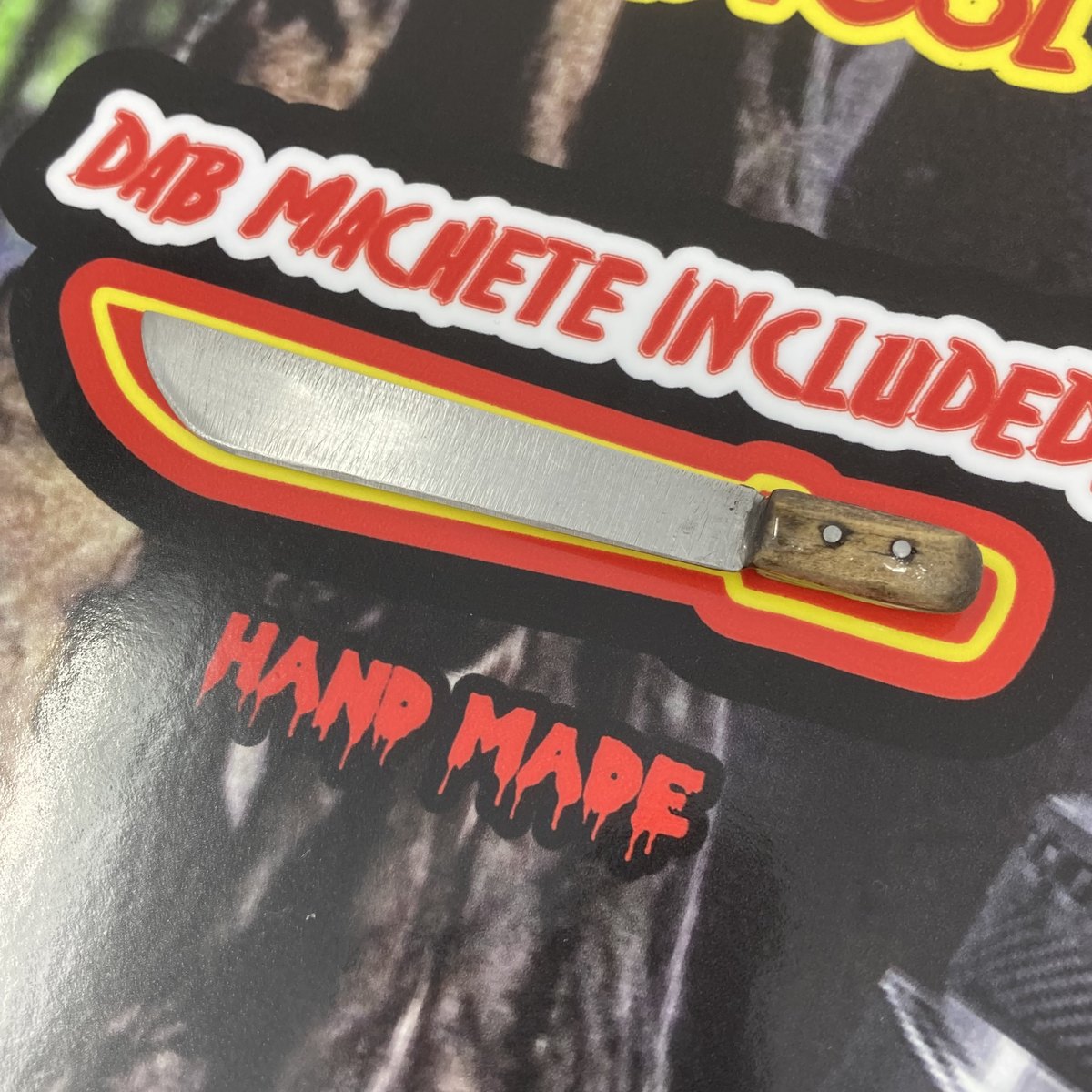
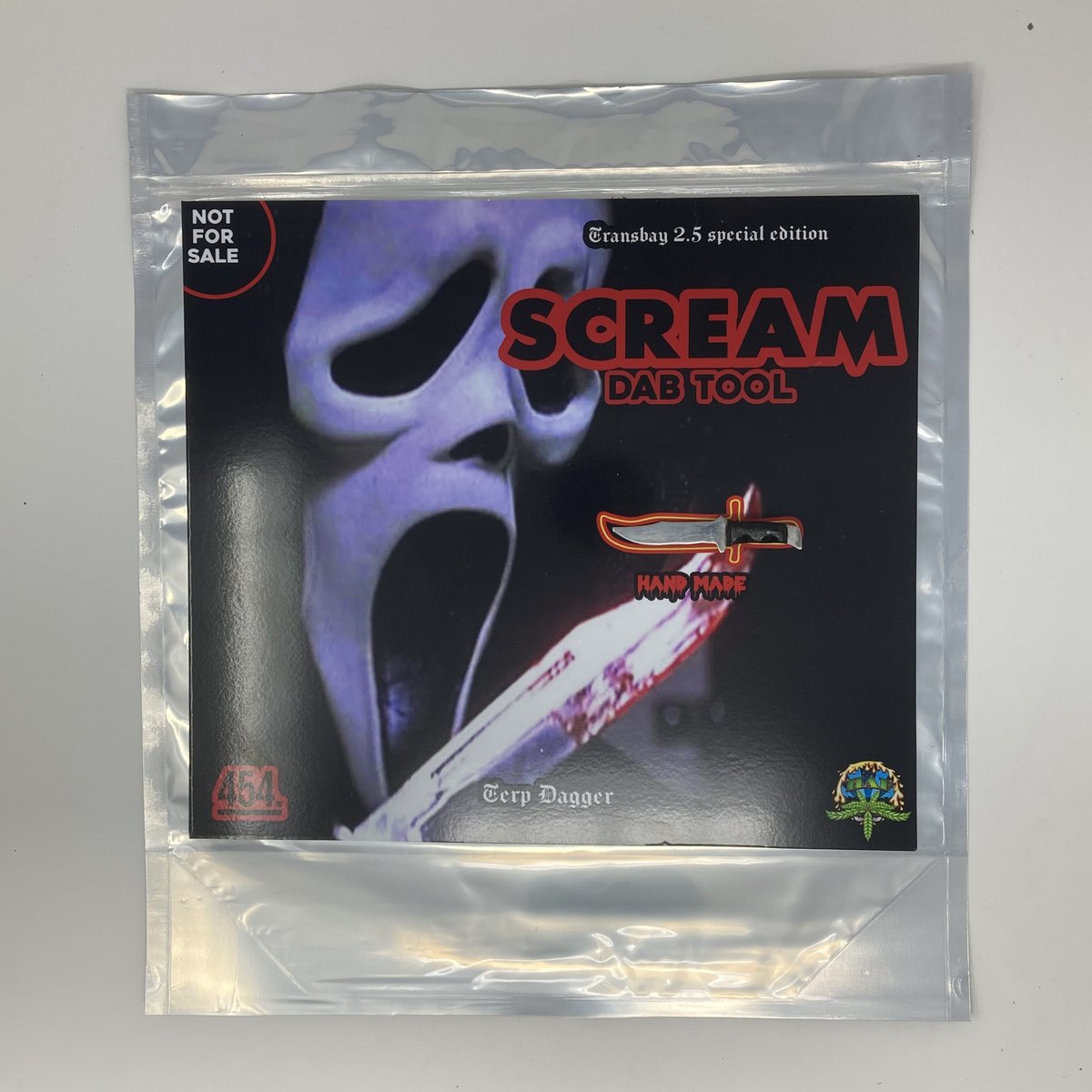
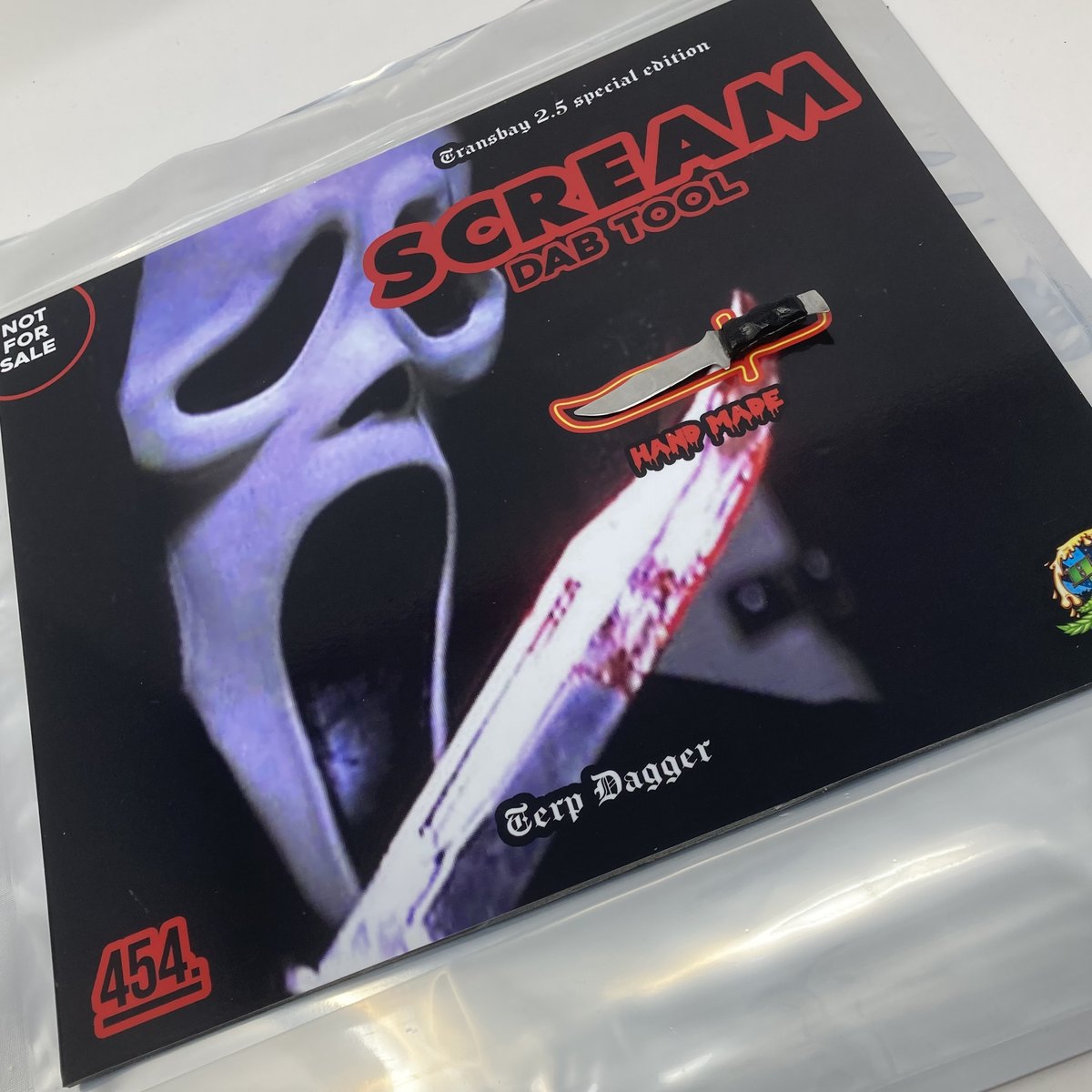
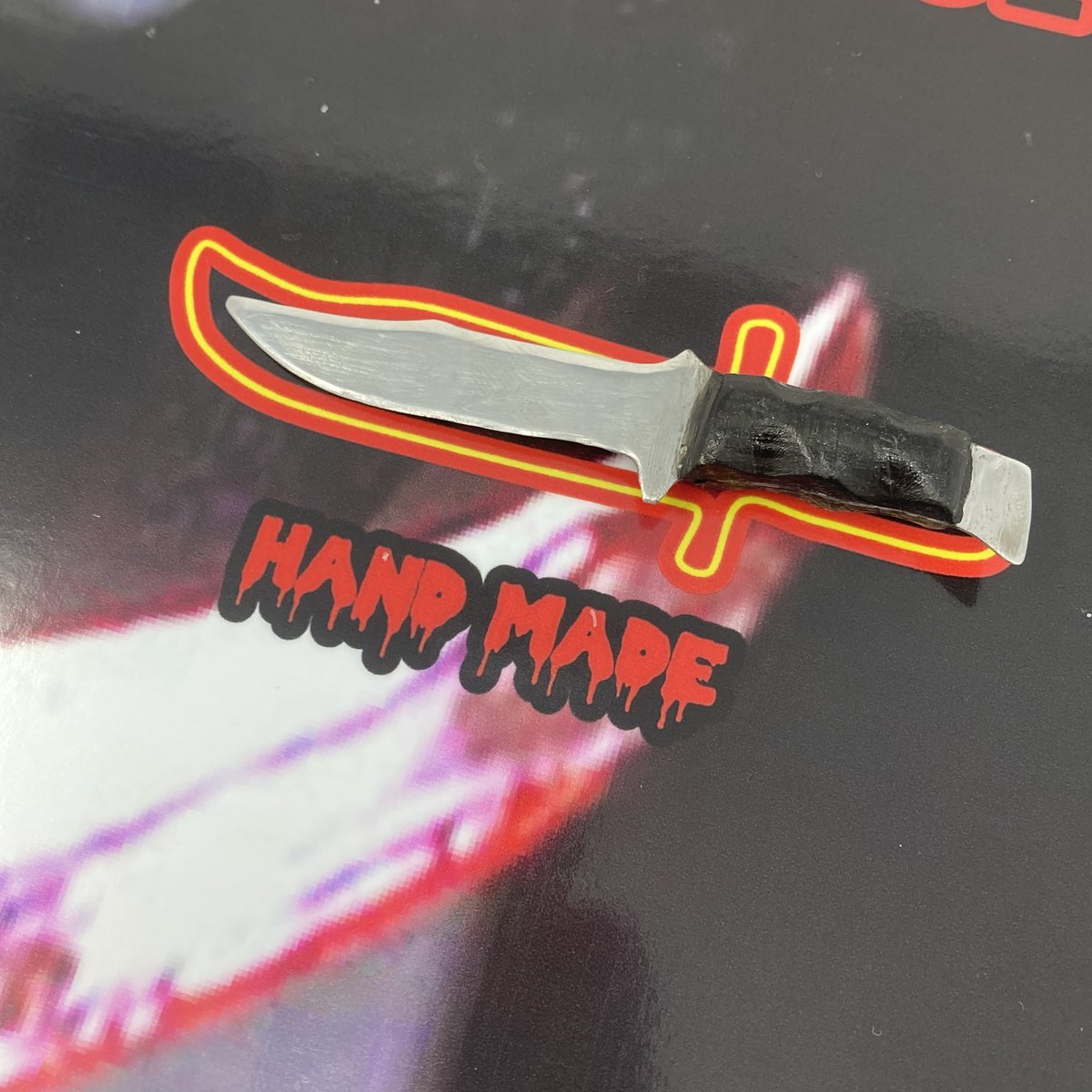
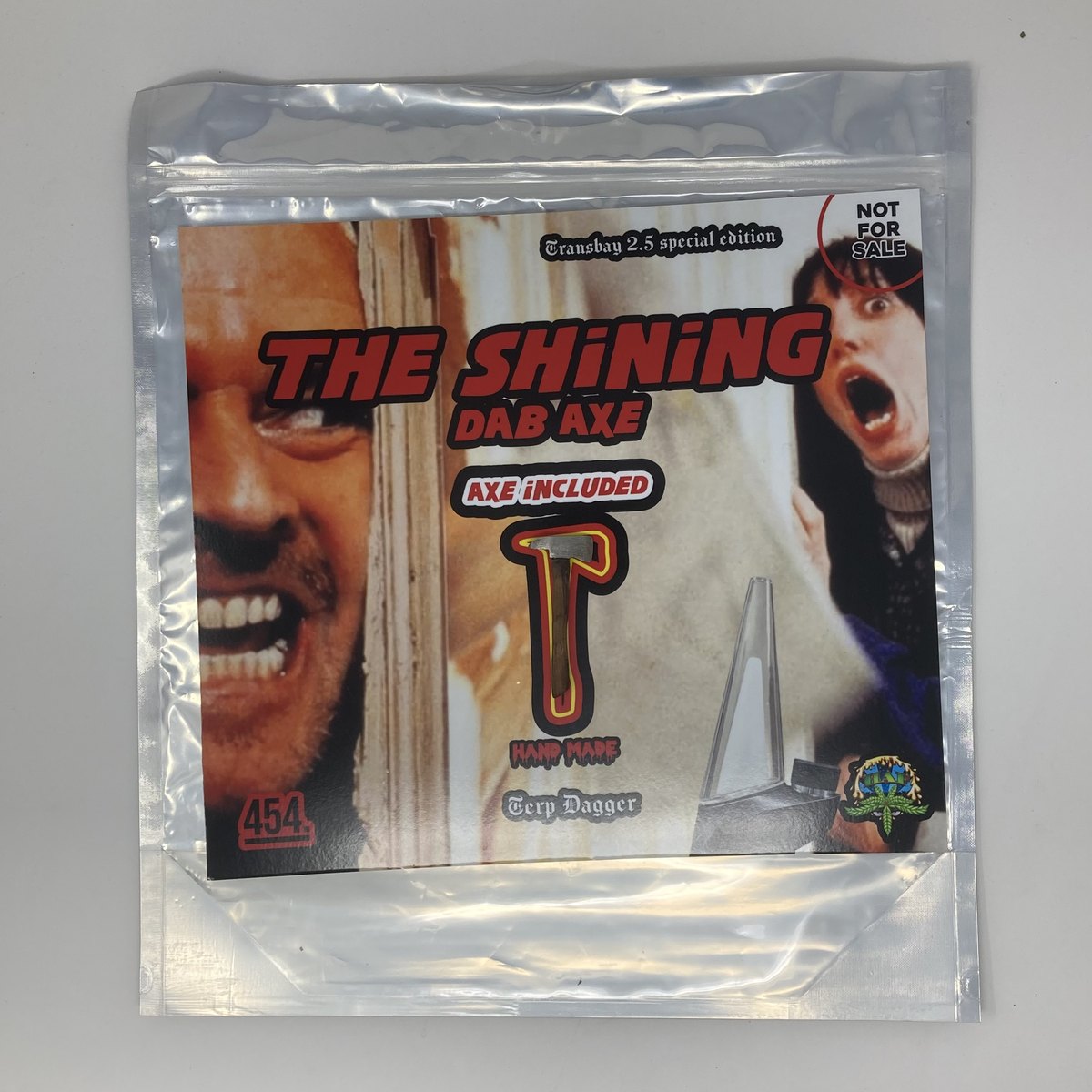
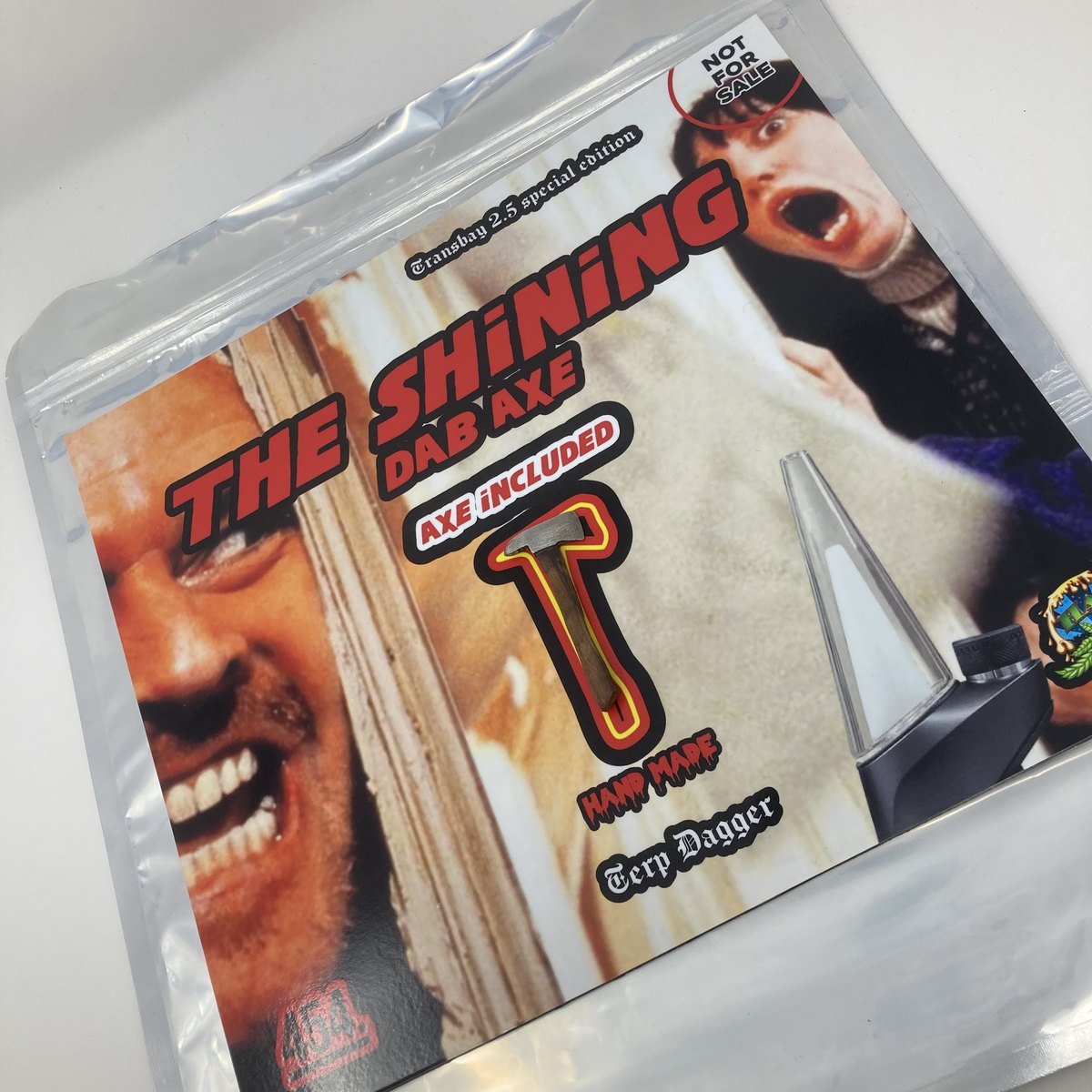
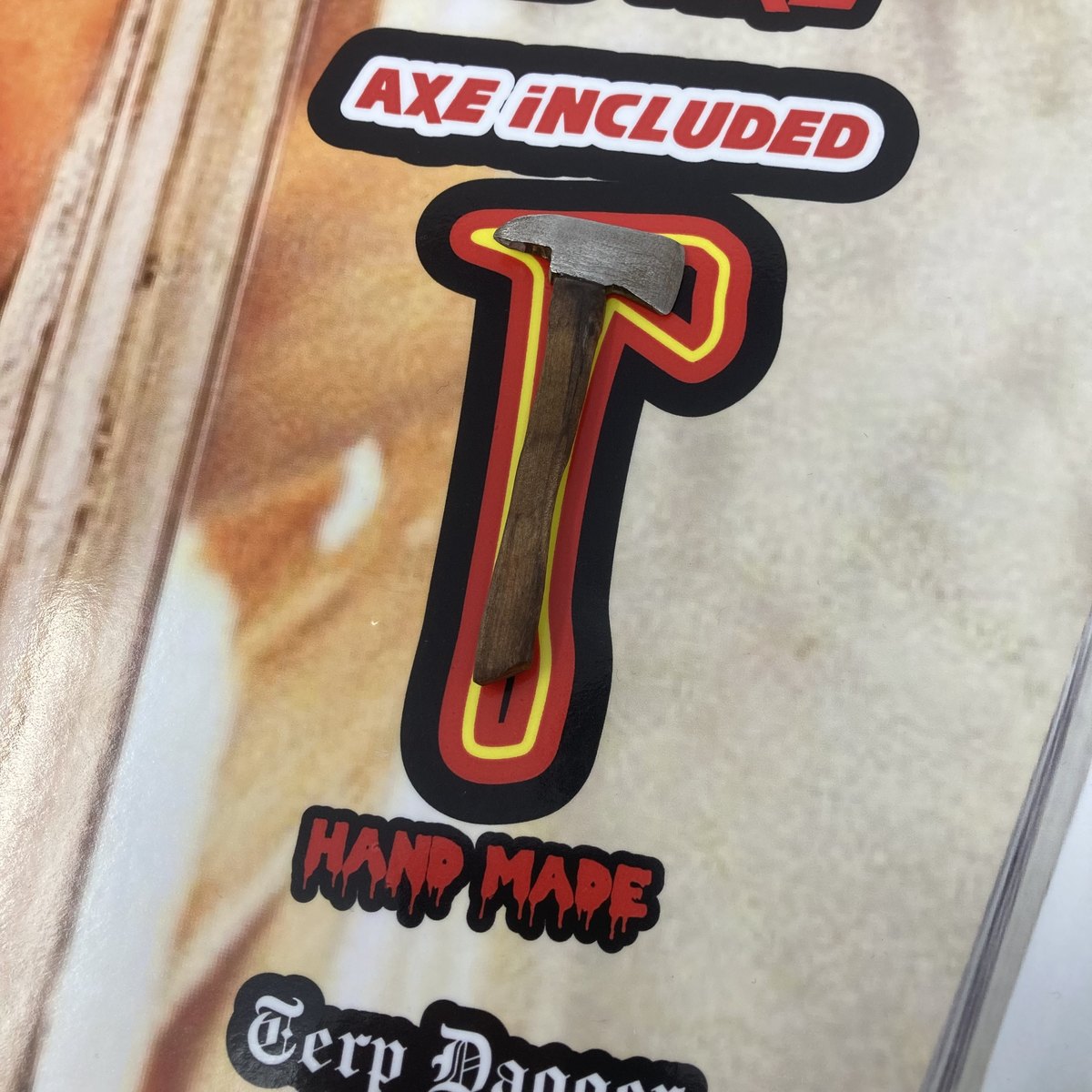
For the Transbay 2.5 — Jimi Devine's invite-only industry sesh — 454 didn't bring
a booth. It brought a capsule: four hand-forged dab tools, each modeled on a classic
horror-villain weapon, each packaged like a 1990s action figure.
A metalworker forged the tools. We built the rest — the blister-pack
concept, the cardback artwork, the whole "special edition" treatment, down to the
"Not For Sale" stamp. They sat on the table as display pieces. Vendors stopped,
photographed them, and tried to buy them on the spot — and the bar for what a 454
presence looked like moved that night. Proof that a brand can win a room without
selling a thing in it.
Four horror-villain dab tools · each pack shown head-on, angled & in detail — Transbay 2.5 special edition
05 / <The Packaging>
The Jar Is the <Billboard>.
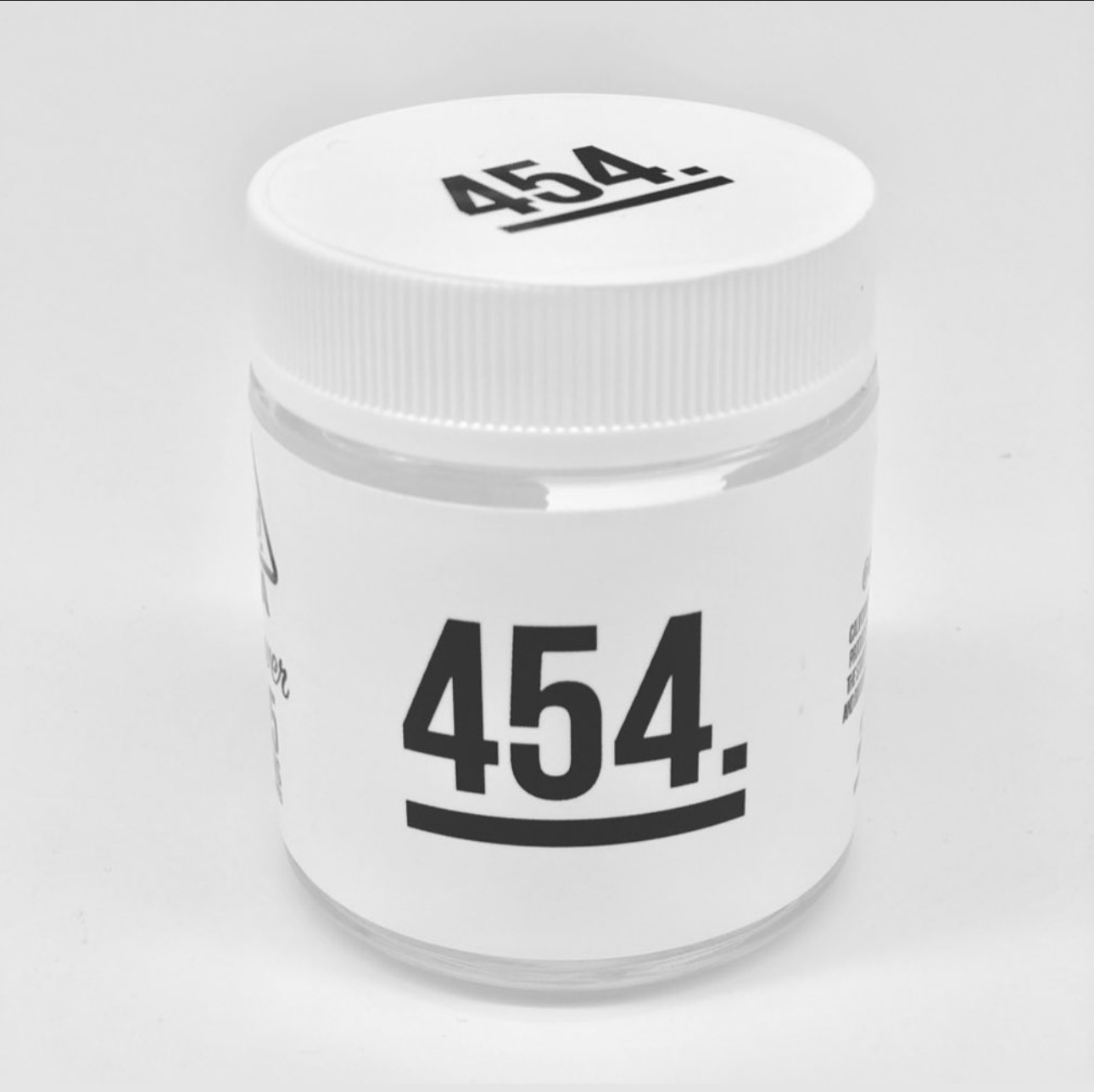
The 454 jar — clear glass, white label, the number doing all the work. The mark
sized to read across a dispensary shelf, full California compliance built in without ever
crowding it.
The mark lands twice — on the lid and on the wrap — so the brand reads whether
the jar is standing up or lying down. Clear glass on purpose: the flower sells itself, the
label just signs it. Packaging built to be recognized at a glance and understood on a
second look.
Fig. 03 — 3.5g flower jar · the finished packaging on shelf
06 / <The Reach>
A Brand That Became <an Engine>.
454 wasn't only a product on a shelf — it was a distributor with a network.
And once the brand had real notoriety, that notoriety became infrastructure: a launch pad
for the other brands built around it.
200+
Retailers in the 454 distribution network
Placement at serious shelves — 454 carried at Connected Cannabis Co.,
one of California's most respected names — gave every brand in the network instant
credibility by association. That's the real deliverable: not a logo, but brand power
other brands could plug into.
07 / <The System>
Built, Owned, <Leveraged>.
454 is the clearest proof of what PLANT does. A brand co-founded and built from
nothing — the name, the mark, the packaging — and then run as an operator runs a business:
as leverage, not decoration.
A name that filtered the right room. A mark that traveled because it broke
the category's rules. A distribution network of 200+ retailers. And the brand power to
launch others. This is the difference between a designer and an operator who builds
brands — and uses them.
 the brand that <filtered> the room.